
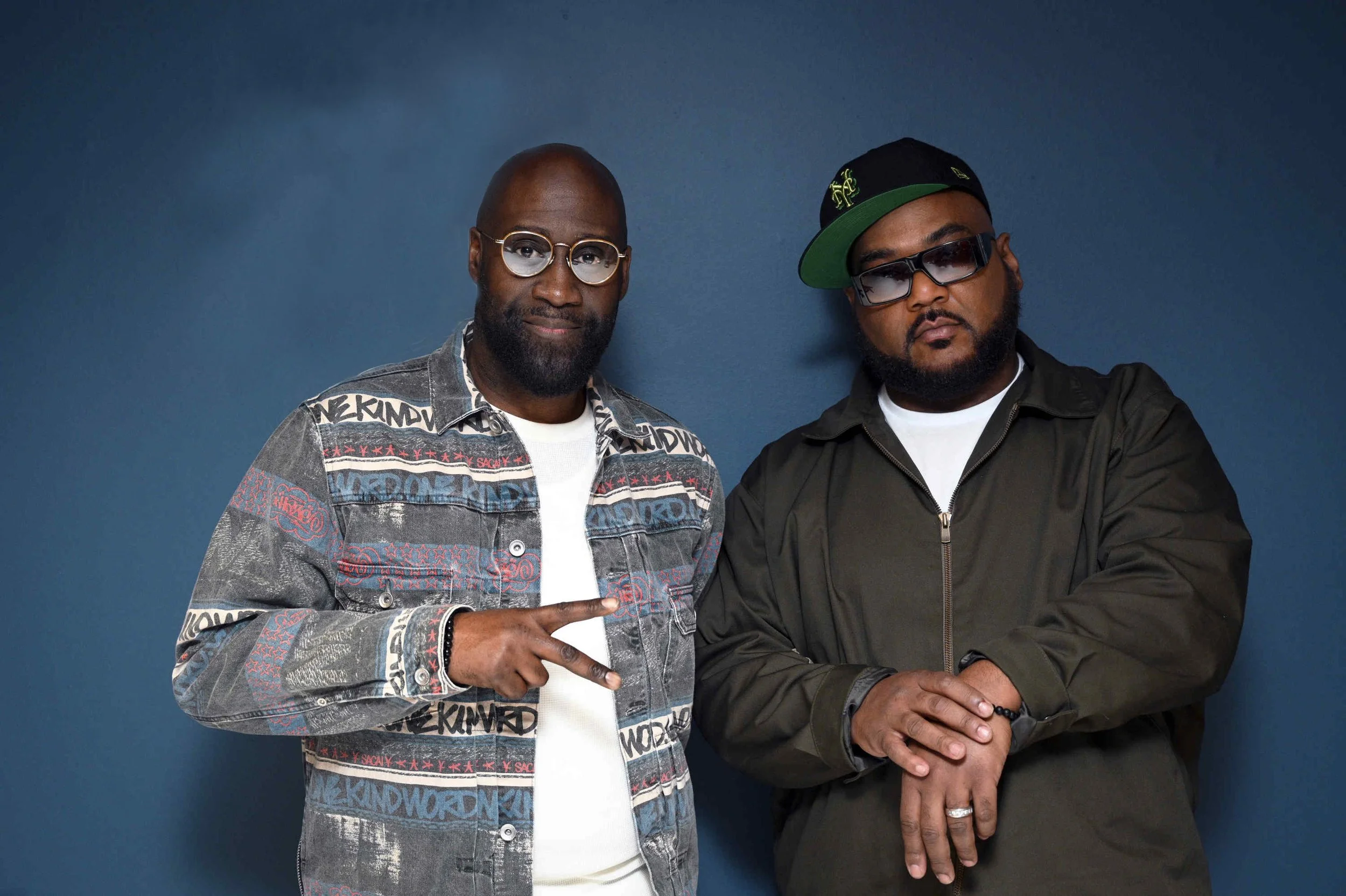
De La Soul
De La Soul

Performing live
Fri May 1st
De La Soul was formed in 1988 in Amityville, Long Island, New York by high school friends Kelvin “Posdnuos” Mercer, David “Trugoy the Dove” Jolicoeur, and Vincent “Maseo” Mason. From the outset they stood apart from much of late-1980s rap: their sound embraced eclectic sampling, playful word-play, jazz, funk, pop and psychedelia, rather than the harder edged gangsta-rap dominant at the time.
Their debut album, “3 Feet High and Rising” (1989), produced with longtime collaborator Prince Paul, made an immediate splash. It featured tracks like “Me, Myself and I” and introduced the concept of the “D.A.I.S.Y. Age” (Da Inner Sound, Y’all). With its vibrant colours, skits, mischievous humour and daring sample choices (including from The Turtles, Johnny Cash and more) the album became a landmark of alternative hip-hop.
-
Following the success of their debut, De La Soul entered a period of artistic evolution. Their second album “De La Soul Is Dead” (1991) saw the group shift away from some of the whimsical imagery of their debut and embrace a slightly darker, more introspective tone—though still retaining their distinctive style.
In subsequent records like “Buhloone Mindstate” (1993) and “Stakes Is High” (1996) the band experimented even more with jazz musicians (e.g., Maceo Parker) and deeper themes of identity, change and the challenges of growing older in hip-hop culture. Through this period they also became key members of the Native Tongues collective alongside A Tribe Called Quest, the Jungle Brothers and Queen Latifah—artists committed to a more positive, conscious-rap aesthetic.
As De La Soul moved into the 2000s, they continued releasing albums such as “Art Official Intelligence: Mosaic Thump” (2000), “AOI: Bionix” (2001) and “And the Anonymous Nobody…” (2016).
Their journey was also marked by significant challenges, particularly in regard to sample-clearance and digital rights issues. Much of their early catalog was unavailable on streaming platforms for years thanks to complex contracts and the heavy use of samples. Despite these obstacles, their influence grew: they are widely credited with expanding what hip-hop could sound like and opening doors for alternative and experimental approaches in rap.
On February 12, 2023, David Jude Jolicoeur (Trugoy the Dove), co-founding member of De La Soul, passed away at the age of 54. Jolicoeur had publicly spoken about his health challenges—namely congestive heart failure and his use of a LifeVest defibrillator—prior to his passing.
His death was a profound moment for the group and for hip-hop more widely: the loss of one of the architects of the alternative rap movement. Tributes poured in across the world. For De La Soul, the passing of Trugoy not only marked the end of an era but also set in motion a reflective chapter—of grief, memory, and artistic renewal.
In November 2025, De La Soul announced their new album titled Cabin in the Sky, set for release on November 21 via the label Mass Appeal. This project marks the trio’s first studio album since 2016’s And the Anonymous Nobody… and is their first since Jolicoeur’s passing.
The album is being framed not only as continuation but as an act of tribute and healing. Posdnuos (Kelvin Mercer) noted that “Cabin in the Sky” “lives in that space between loss and light… it’s about the pain we carry and the joy that somehow still finds us.” The lead single “The Package,” produced by the legendary Pete Rock, has already been released as a preview of the album’s sound and tone.
What makes “Cabin in the Sky” particularly poignant is the manner in which Trugoy’s presence is woven into the project. The group used vocals and production that he had laid down prior to his death—Posdnuos described how a track began with Dave’s voice repeatedly saying “Ya don’t stop,” and how that became the heartbeat of the record.
The album also features an impressive roster of collaborators: executives producers such as DJ Premier and Supa Dave West, guest features from artists like Nas, Common, Black Thought of The Roots, and Yukimi from Little Dragon, among others.
All this underlines a dual purpose: to honour what was lost, and to lift up what remains. To celebrate the legacy of Trugoy and to declare that De La Soul’s creative mission still continues, albeit transformed.
As De La Soul moves forward, their legacy stands on several pillars: innovation in sound, courage to be different, and an embrace of positive and community-oriented values within hip-hop. Their early work helped expand the possibilities of rap, and their perseverance through industry upheavals is noteworthy.
With the passing of Trugoy the Dove, the group entered a bittersweet chapter. But the vulnerability in “Cabin in the Sky” symbolises renewal: grief acknowledged, creativity renewed, collaboration embraced. It isn’t merely a “comeback” record—it’s a statement of persistence, homage and evolution.
For fans and for hip-hop culture, De La Soul’s journey remains instructive: that staying true to one’s voice, embracing innovation, and respecting one’s past can yield lasting impact. The upcoming album promises to be both a tribute and a fresh chapter—anchored in legacy, yet looking ahead.